
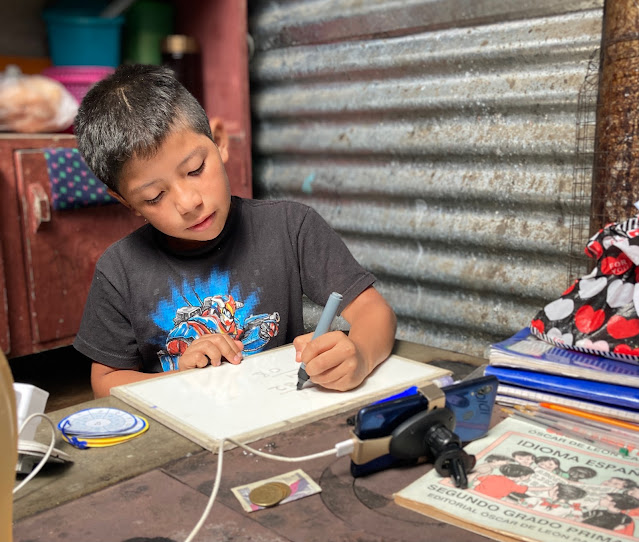
When I first arrived in Guatemala in 2017, the level of poverty convicted me in a way nothing else ever had. My first home visit will forever provide the framework for how I understand poverty in the developing world—no running water, limited electricity, dirt floors, holes in the ceiling and extremely limited access to food.
Author: Autumn (Jones) Hartley
Writer. Educator. Social Media Strategist.
Gonzaga ’10 (B.Ed.), CU-Boulder ’14 (M.A. Journalism).
What Father Rother’s ministry can teach us about serving people across the border
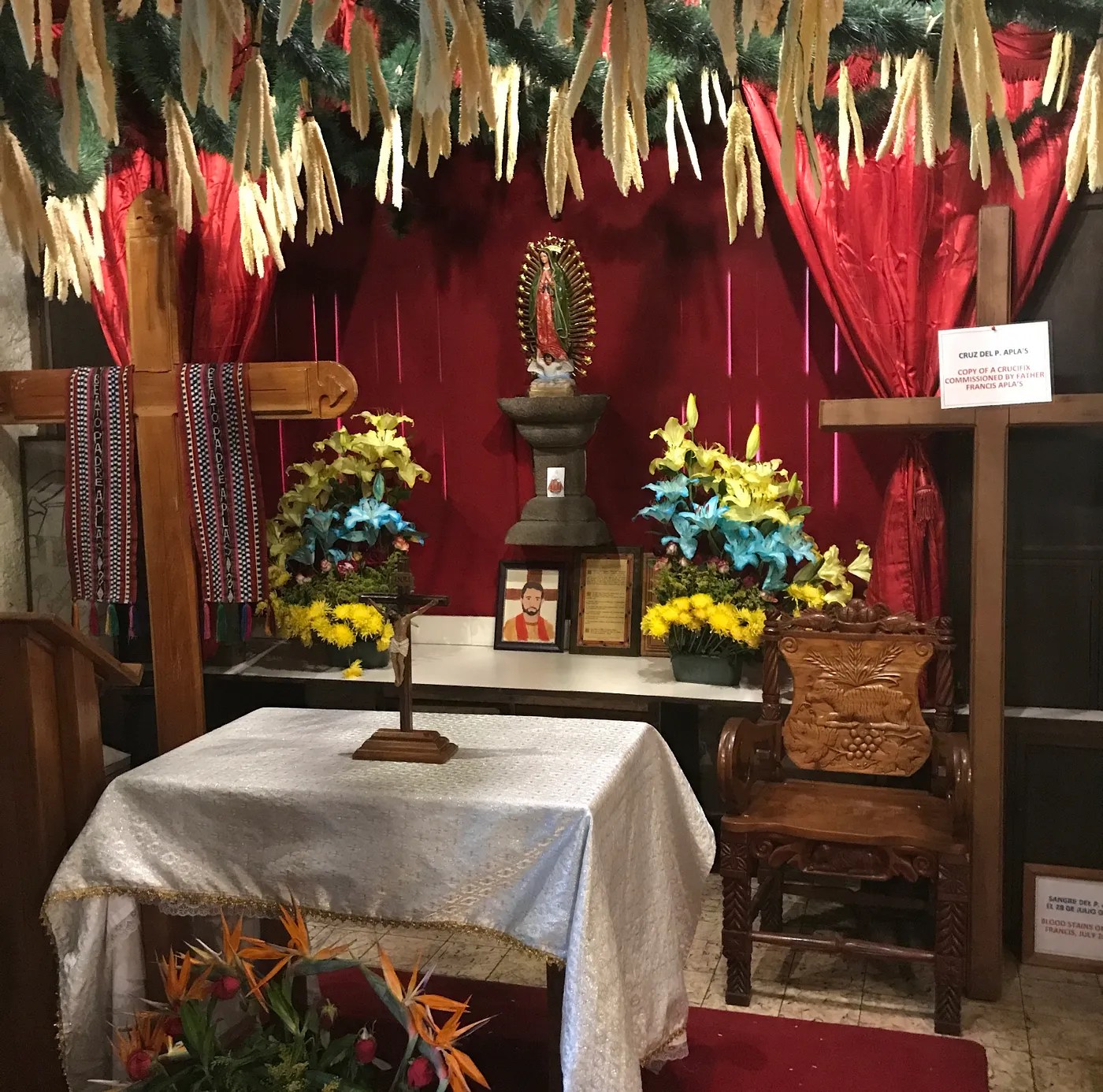
Father Rother arrived in Santiago in 1968 to serve and advocate for the poor people of the lake. He worked tirelessly to make sure the Tz’utujil people had food, shelter, medical care and a place to pray. He even translated the entire New Testament into the native language.
A second funeral, reintegration into life in America and my final day in Antigua
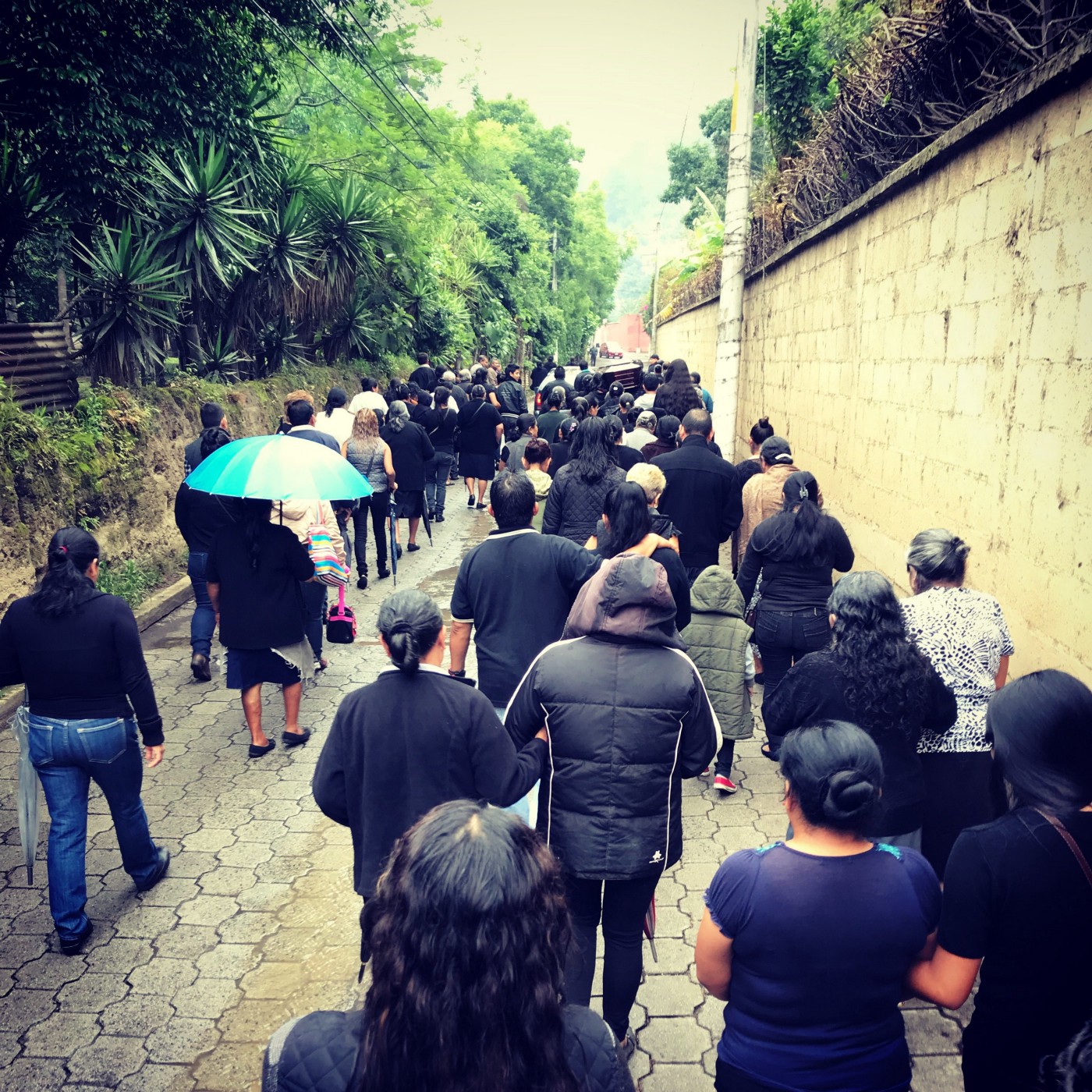
Three parents from Escuela Integrada died in the last 12 months. That’s reality in Guatemala — lack of access to health care, lack of sufficient doctors, lack of medicine, lack of time or transportation to go see a physician, and, as a result, high mortality rates in infancy and adulthood for families in poverty.
Encountering the trap of poverty in Guatemala
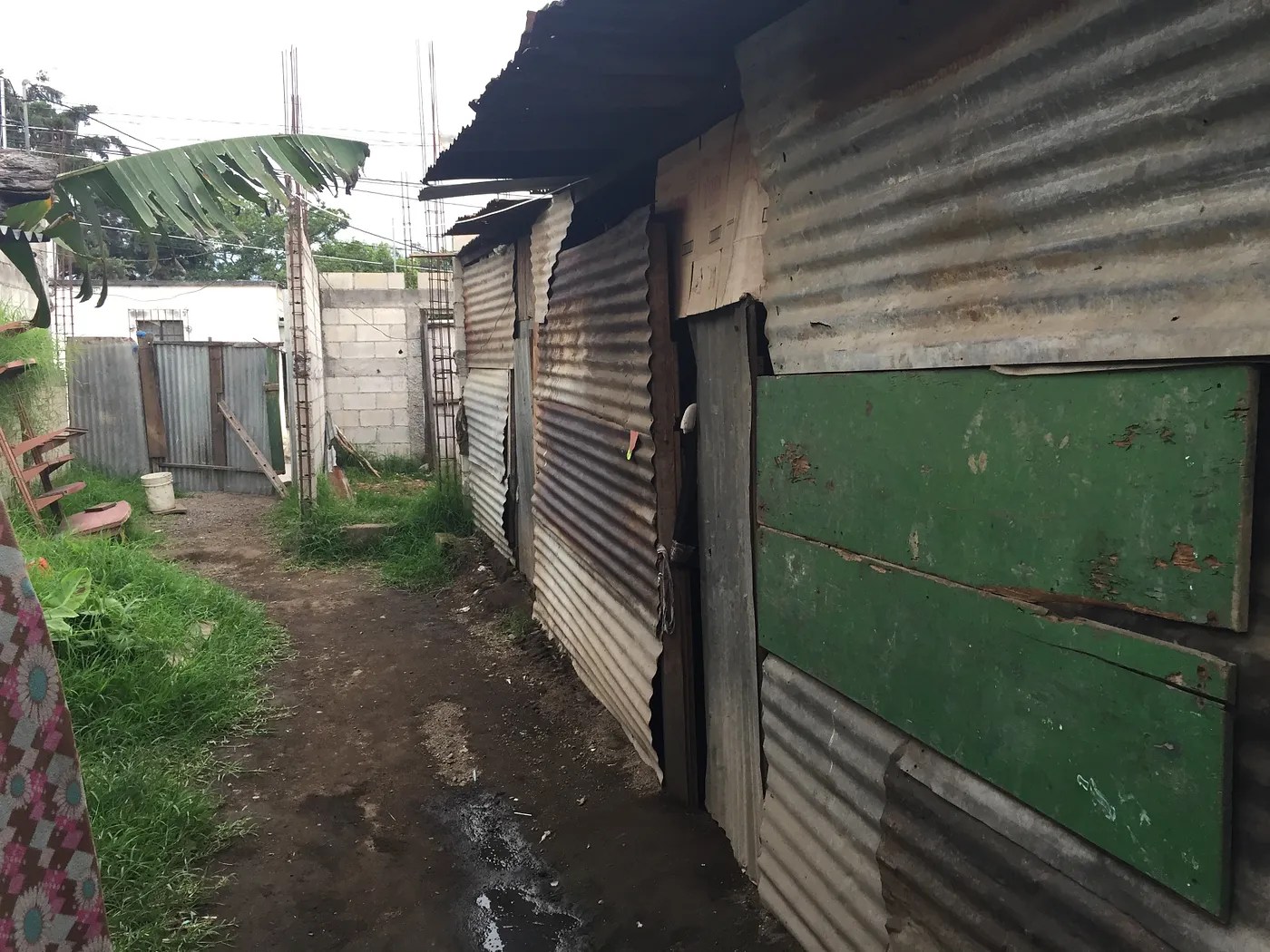
Poverty in Guatemala traps men, women and children, both in terms of physical commodities and mental states. They have little choice but to put their energies toward “the sheer struggle to survive… immediate problems of existence” — food, clothing, shelter. Everything else comes second, including child rearing, financial literacy and education.
 The Faithful Writer